No, you’re not sneezing because of botanical sexism.
If you spend any amount of time on social media, there’s a chance you’ve seen the videos about cities planting only male trees (called “botanical sexism”) that increase the pollen count in the spring, resulting in worse allergies for residents. We’ve seen these videos make the rounds in the spring when pollen is everywhere, eyes are puffy, and everyone is sneezing.
This trend is not quite accurate, but to understand why, we need to break down how cities plant trees and the science behind tree sexes. Buckle up!
Tree Biology and Tree Sexes 101
The two most commonly-known tree sexes are monoecious, where all trees of the same species have male flowers and female flowers on the same tree. Oaks, pines, hickories, and birch trees are examples of monoecious trees. Individual trees that have only-male or only-female flowers on the same tree are called dioecious; Ginkgoes, aspens, poplars (like cottonwood), and willows are all examples of dioecious trees. When we say a tree is male or female, we’re referring to a dioecious tree.
From there, it gets more complex. Cosexual tree species have flowers that contain both male and female parts (known as bisexual flowers), such as redbuds, dogwoods, magnolias, and American elms. Polygamous tree species might have individual trees that have only-male flowers or only-female flowers OR it might have both male and female flowers all on the same tree. Red maples, sugar maples, black gums, and mulberries are examples of polygamous trees.
These are just a few examples of tree sexes; there are also polygamodioecious, polygamomonoecious, and gynodioecious trees!
The Sexes of Trees We Plant
When we looked at the trees we planted in 2023, it showed roughly 65% of our trees were monecious, and 25% were cosexual. Less than 1% was polygamous. That leaves about 10% of our trees as dioecious, of which about half were male and half were female.
At Friends, the two dioecious tree species we commonly plant are Kentucky coffeetrees and gingkos. Of those two, we only plant male ginkgo trees because the fruit from female ginkgos smells like a mix of human vomit and cat urine and tends to cover the ground in large enough quantities to cause accessibility issues on sidewalks. It’s very common for cities to only plant the male variety of ginkgoes for these reasons.
For our Kentucky coffeetrees, we take a randomized selection, so it’s a mix of male and female trees.
Why Planting Male-Only Trees Is Logistically Difficult
In order for a city to plant only male trees, they’d have to plant only dioecious trees, and select just the individual trees with male flowers. But, according to Dr. Kim Coder of the University of Georgia, only about 20% of trees in the Eastern United States are dioecious.
Each city has its own climates, water requirements, and native species, but in Michigan, the Friends planting palette is pretty typical for our region. We plant plenty of oaks, hackberries, coffeetrees, black gums, redbuds, serviceberries, and dozens more. Although the exact number of each species varies from year to year, and some years we add in other species or remove some, what we plant each year is roughly the same breakdown.
If cities in general, and Grand Rapids in particular, wanted to plant exclusively male trees, that would be some tough work to source exclusively male trees in the quantities needed to fill an urban forest. In other words, your allergies aren’t worse because there are “only male trees” because we simply don’t have enough exclusively male trees.
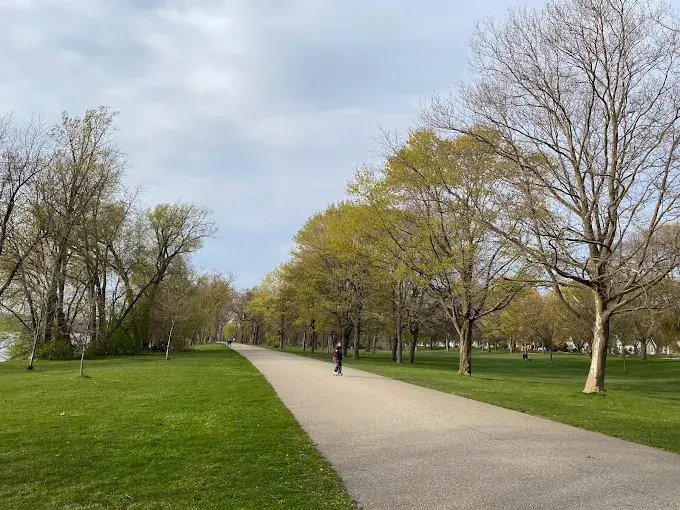
Urban foresters have standards and guidelines that we follow to ensure a healthy forest. One of those is something called the 10/20/30 rule. In general, we want our urban forest to have no more than 10% of any one species, no more than 20% of any one genus, and no more than 30% of any one tree family. By adhering to this rule, we cultivate a lot of diversity in our forest, making it more resistant to pests and health concerns. And with trees living such long lives, some of the pests and diseases the trees might encounter decades from now might not even exist in Michigan yet!
Diversity in species also translates to diversity in tree sizes and conditions where different species thrive. For instance, if we were to plant only large species of trees throughout the city, we’d be planting large trees under power lines, leading to challenges with storm damage and power outages. By planting trees under power lines that won’t grow large enough to interfere, we’re supporting a healthy energy grid.
We also have a variety of conditions throughout the city that affect tree health. Some areas are very hot, exposed, and prone to drought conditions. Planting drought-hardy species in these areas is vital–and trees like dogwoods and hornbeams would suffer and fail in these locations, but would thrive in areas with more shade. Other conditions like soil volume (the amount of space that roots can safely grow in), and soil pH have a huge impact on the species of trees we can plant, and by having a large diversity of trees to choose from, we can pick the right tree for the right place.
The Origins of So-Called Botanical Sexism
So how did this idea of botanical sexism get started? Horticulturalist Tom Ogren coined the term “botanical sexism” in citing the USDA’s 1949 Yearbook of Agriculture urging city planners to plant only male trees “to avoid the nuisance from the seed.” However, the quote refers specifically to cottonwood trees, whose seeds–the fluffy white puffs we see here in late May and early June–cause a mess, particularly with storm drains. (Incidentally, those same puffy white seeds are blamed for allergies every year, but as they are seeds, not pollen, they have no effect on seasonal allergies!)
The fact remains, though, that seasonal allergies are on the rise, hotter temperatures earlier in the year and longer allergy seasons are considered the main culprits. Pollen from male flowers, whether it’s trees, flowers, or grasses, certainly has some impact, but a male-only urban forest isn’t a part of the equation.
Friends Plants Trees to Care for Community
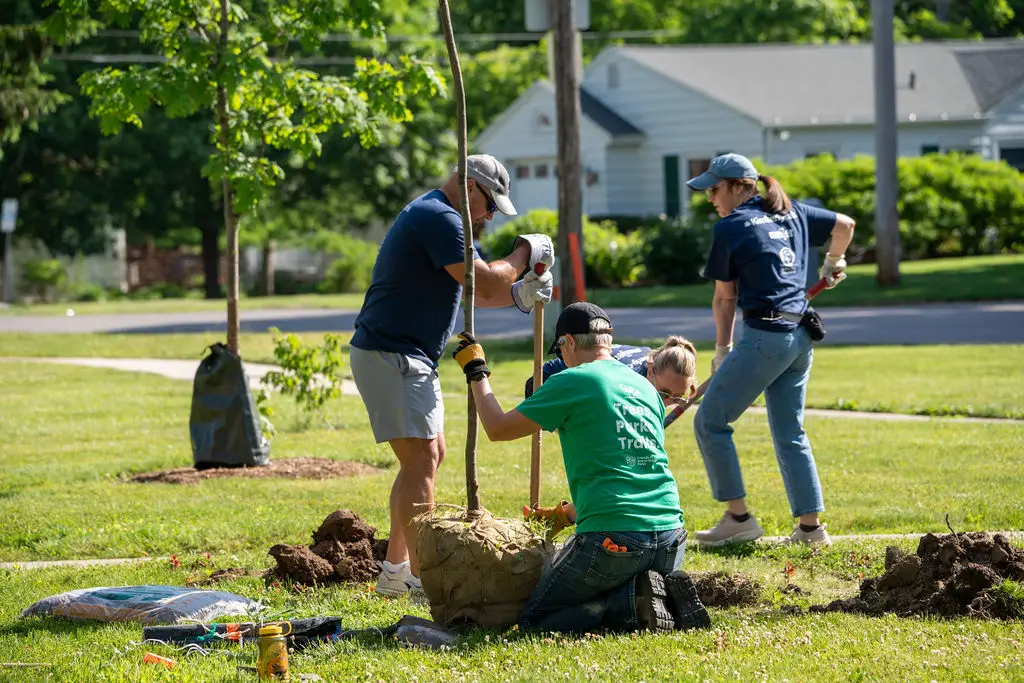
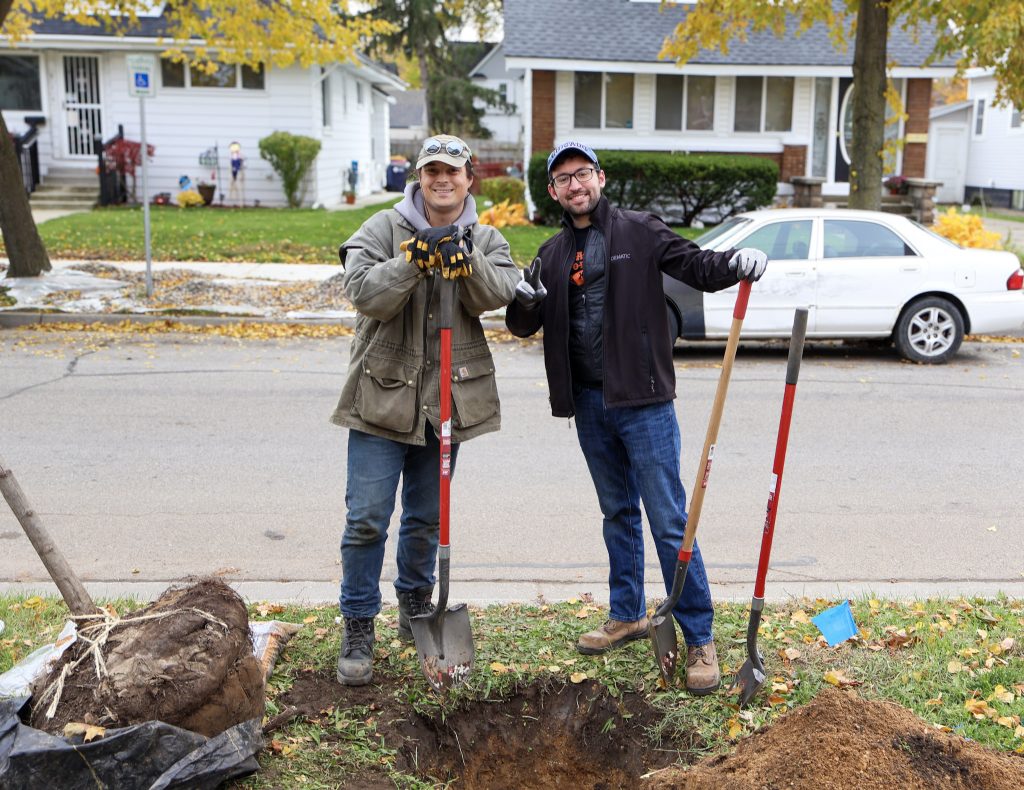
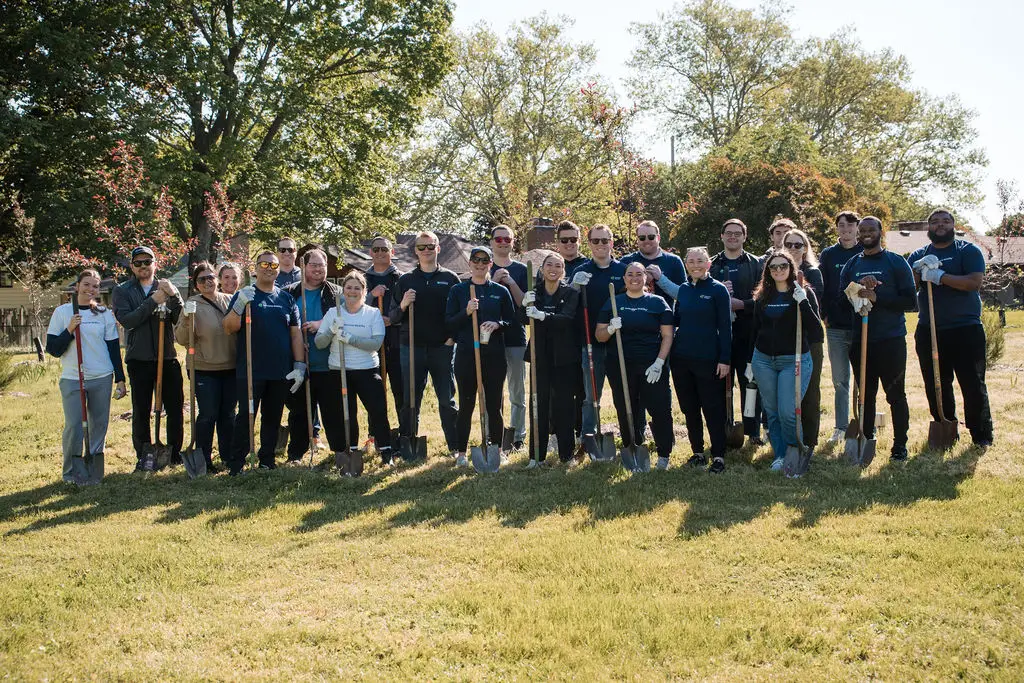
At Friends, we care about our city’s canopy because we know a healthy canopy will take care of our neighbors. We work closely with the city’s Forestry Division to follow the ordinances and guidelines they set, and we are continually expanding our knowledge through learning opportunities and specialty credentials so that our decisions can benefit our city for decades to come. Urban forestry involves a lot of technical work, but there’s an artistry to it as well that we apply with great care and consideration. We all live here—we want it to be great for everyone!
If you have questions about trees, how we plant, or want to get involved in caring for our urban canopy, there are lots of ways to get involved. See you out there!